Defining Language Education for Sustainable Development (LESD)
What is Language Education for Sustainable Development?
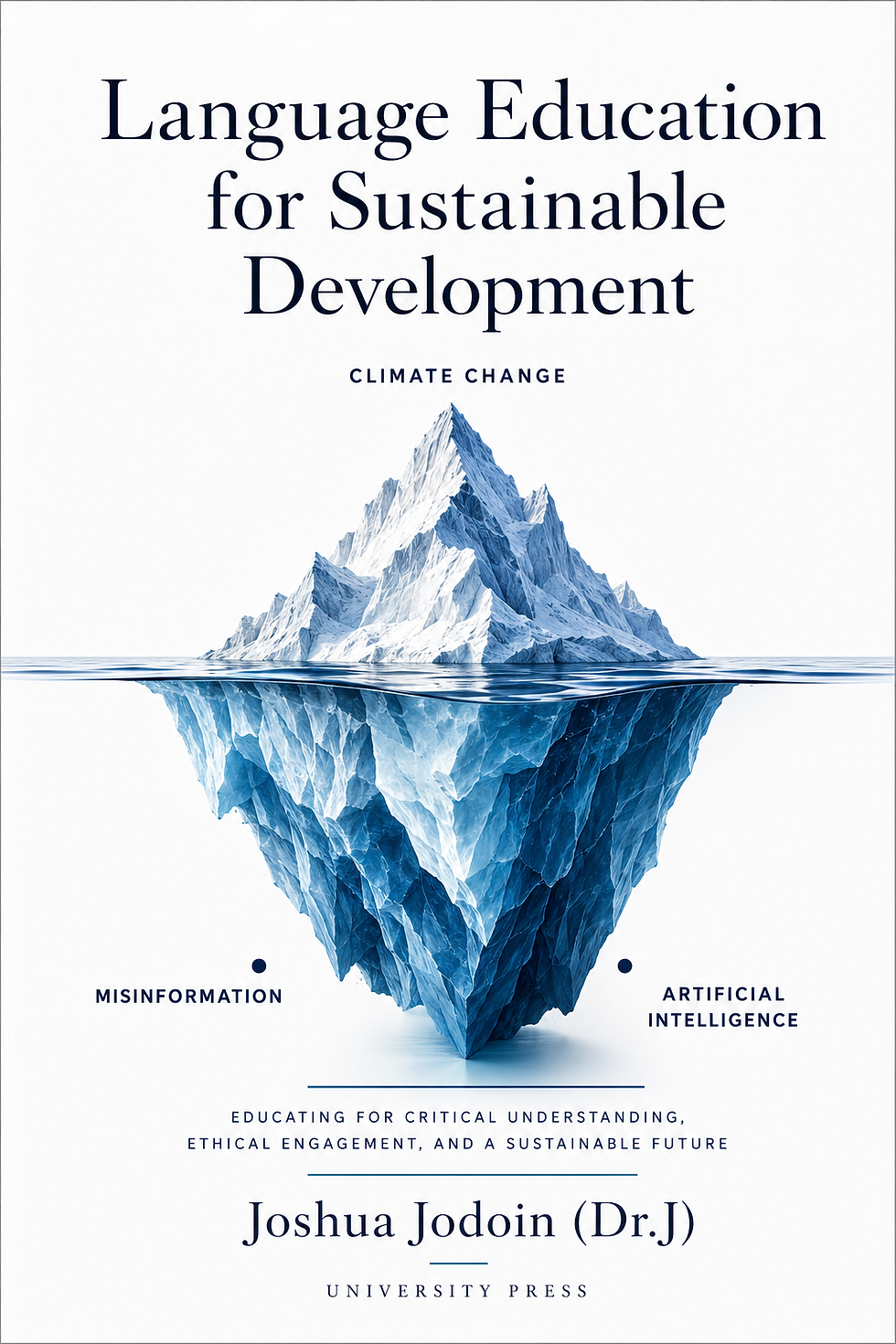
Language Education for Sustainable Development (LESD) is an approach to language education that prepares learners not only to communicate effectively, but also to understand complex global challenges, think critically, collaborate across cultures, and contribute to a more sustainable future.
LESD recognizes that language is more than a subject to be learned—it is a powerful tool for sharing ideas, evaluating information, solving problems, and participating in society. By connecting language learning with issues such as sustainability, climate change, artificial intelligence, misinformation, and global citizenship, LESD helps learners develop the knowledge, skills, and values needed to thrive in a rapidly changing world.
Rather than adding “more content” to language classes, LESD reimagines the purpose of language education: helping learners use language to make sense of the world and take meaningful action within it.



Foundational Research
Classroom Integration
Community Impact
Explore the theoretical frameworks bridging linguistic expertise with climate action.
Practical lesson plans and multimedia resources for immediate pedagogical impact.
Join a global movement of educators dedicated to a sustainable linguistic future.
Join Dr. Joshua Jodoin's (Dr.J) Newsletter
Stay Connected with LESD
Receive 1–2 emails per year with updates on the upcoming LESD book, new research and publications, LESDHub resources, and news from the growing Language Education for Sustainable Development community.
No spam. Just meaningful updates.